5 Top Reasons To Consider A Reggio Emilia Preschool For Your Child’s Early Education
Reason #1 : Reggio Emilia is a child-centred approach
Every child is unique
The Reggio Emilia approach recognizes the child as an active and capable learner who has the right to express themselves and be heard. This approach places the child at the center of the learning process, and emphasizes the importance of the child’s interests, abilities, and needs in shaping the curriculum. For example, if a child feels more comfortable learning maths by counting via their fingers, or a puzzles, or by stacking cups – these are all welcomed in a Reggio Emilia school.
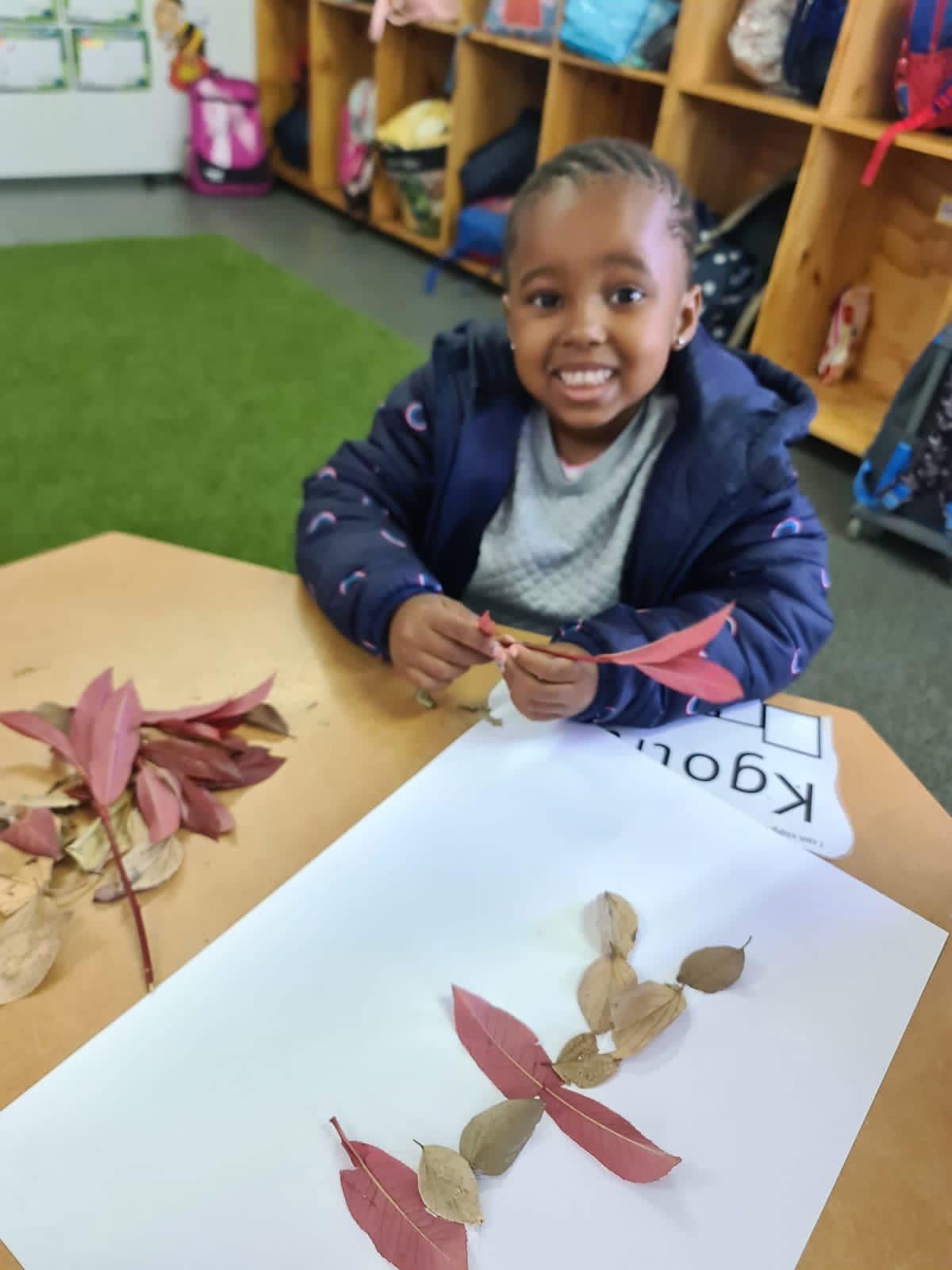
In a Reggio Emilia approach school, teachers merely serve as a guide and encourages children to express and explore their natural curiosity via art, music, drama, writing and more. This helps them to explore and make sense out of the world via their own way and make learning way more fun.
Reggio Emilia teaches parents to trust their child more
Many parents fear that a young child is not capable to know what he or she should learn at school, but that should not be a concern at all. Young children are just like a piece of new, white A4 size paper. It could be folded or dyed into any shape or colour. It could be full of notes on science, chemistry or doodles/ art on shapes, figures or more. But the important point is, parents should allow and trust that the child will navigate ways through their own interest and curiosity because they are capable to do so.
Reason #2 : Reggio Emilia emphasize on building critical thinking skills and creativity
Through Project-based learning, open-ended projects.
While the Reggio Emilia approach is child-centred, teachers also use various strategies such as project-based learning and open-ended projects to train critical thinking skills and creativity in young children.
Reggio Emilia schools are known to encourage young children to link knowledge they have gathered throughout different subjects and see the connections between each of them.
Empowering young children to explore is the key
This approach, in the long run, allows young children to feed their curiosity by learning how to discover answers on their own and to empower and let them know that it’s okay to explore, it’s okay to ask questions and it’s alright to not know things and ask for help.
Reason #3 : Strong emphasis on parental engagement
Reggio Emilia believes education goes on at home as well
The Reggio Emilia approach recognizes that parents are partners in the education and upbringing of a young child. Schools with this approach encourage parents to be actively involved in their child’s education through regular communication with teachers, participation in school activities and volunteering in the classroom.
For example, teachers might hold regular parent-teacher conferences to discuss the child’s progress and involve parents in the planning and evaluation of the child’s education. Additionally, teachers might also invite parents to participate in classroom activities, such as reading to the class or helping with a project, which allows them to see their child in a different light and strengthens the parent-child relationship.
Another example is the use of “parent-child workshops” where parents and children learn and explore together; this not only allows parents to be more involved in their child’s learning, but it also helps parents to understand and appreciate their child’s strengths and interests.
Parents involvement in Their Child’s learning goes a long way
Young children won’t always remember what happened in preschool when they grow up, or who they met, what they did, but they will always remember an art project they worked on together with their friends or family members; it’s a small gesture like that which sparks their interest in learning. So, parents, spend more time with your little ones!
Reason #4: Flexible teaching methods
Safe haven for children to be children
Reggio Emilia schools adopt project-based learning, or an open-ended question methodology. A teacher also engages the young children with hands-on activities to meet the needs of different learners in the classroom.
Another example is the use of “Atelier” or art studio, where children have access to a wide range of art materials and tools and are encouraged to explore, experiment and express themselves through art. The Atelier is staffed by a trained art teacher who provides children with guidance and support as they work. They then observe children’s interest and adapt the curriculum accordingly. This allows them to provide children with a more personalized education.
When it comes to evaluation and assessment, Reggio Emilia schools also do not solely look at score. They organise events like a “graduation concert” or “year-end project” to properly let the young children express what they have learned throughout the years.
Reggio Emilia schools adapt their curriculum to a child’s need
Some parents would absolutely love this as the school helps to build up what an individual child lacks or needs.
Reason #5: Environment as a third teacher
A conducive environment is essential for young children to grow up happy
The Reggio Emilia approach views the environment as a “third teacher” – an integral part of the learning process that can enhance children’s learning and development. The physical environment is seen as an extension of the curriculum and is carefully planned and designed to support children’s learning and development. For example: a classroom might be designed with different learning areas, such as a reading corner, a science area and an art area to support children’s exploration and discovery. The classroom is also designed to be visually pleasing and stimulating, with natural light, plants, and artwork that reflects the interests and culture of the children.
Another example is the use of outdoor spaces, such as gardens, playgrounds, and natural areas, which provide children with opportunities to explore and discover the natural world. These outdoor spaces are designed to be safe and accessible and are equipped with materials that encourage children to explore, experiment and play.
Conclusion
Learning sometimes looks disordered. Do not expect an entire class all following the same practices and routines at the same time. Our brains don’t work like that, and neither should the learning environment. Learning does not require perfectly matched painted walls and pretty curtains. True learning should allow our minds and our thinking to direct our learning.